.1).png.2608041501469.webp)
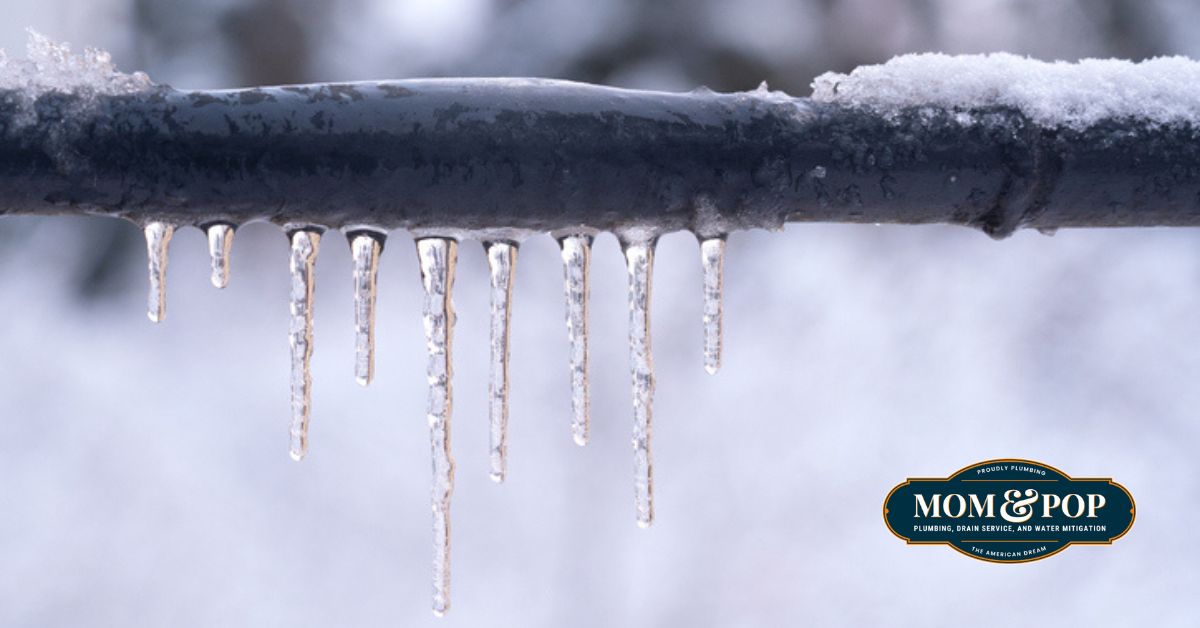
The moment a pipe lets go in the middle of a Connecticut cold snap is never quiet. You hear the pop, then the hiss, then the sound of water going exactly where it shouldn’t. By the time you find the main water shutoff valve and fight to turn it, hundreds of gallons can pour through ceilings, walls, and floors.
The thing is, most of those “out of nowhere” winter failures started months earlier, as tiny weaknesses inside pipes, valves, and fittings that no one could see. There is a window, right now in fall, when a little planning can turn a potential mid-winter disaster into a non-event.
At Mom and Pop Plumbing, we have seen that story play out in Manchester, Vernon, and across Hartford and Tolland counties since we opened our doors in 2017. Owner and Air Force veteran Pete Czmyr has been working on plumbing systems since 1997, and his 20 plus years of experience have taught us a simple truth: a thorough plumbing inspection before winter in Connecticut is one of the smartest investments a homeowner can make.
Why Connecticut Winters Are Hard on Plumbing Systems
Connecticut winters don’t just get cold, they bounce. We see temperatures swing above and below 32 degrees over and over. That freeze-thaw cycle, the constant expanding and contracting of water and metal, puts huge stress on pipe joints, valves, and fittings. In many cases, that repetition is more damaging than one long deep freeze.
During a February 2026 cold snap, plumbers and restoration crews across the state were overwhelmed with burst pipe calls. One Norwich area restoration company reported getting at least 10 burst pipe cleanup calls per day and actually had to turn work away. By the time the phones ring like that, it is too late for prevention.
Our area’s housing stock adds another layer of risk. Older Manchester homes in neighborhoods like Highland Park and Manchester Green often still have galvanized plumbing. Galvanized pipe corrosion happens from the inside out, narrowing the pipe and weakening the walls. From the outside, the pipe may look fine, but inside, rust and scale are building. When you combine that hidden corrosion with freeze-thaw stress, those pipes become prime candidates for sudden winter failure.
Even newer copper or plastic lines can struggle. Long uninsulated runs in basements, crawl spaces, and exterior walls are exposed to cold air. Every time the temperature swings, tiny gaps at fittings and joints are stressed. Over time, that stress can turn into hairline cracks that only show themselves when the pipe is full and under winter water pressure.
What a Pre-Winter Plumbing Inspection Actually Covers
A proper plumbing inspection before winter in Connecticut goes far beyond a quick glance at a few exposed pipes. When we perform a pre-season checkup, we work through your system methodically, looking for the weak points that tend to show up once temperatures drop.
We start with the controls that protect you during an emergency. We locate and test your main water shutoff valve to make sure it actually turns freely and closes fully. A frozen or stuck valve during a burst can add thousands of dollars to a cleanup bill. We often recommend exercising that valve once or twice a year so it doesn’t seize up right when you need it most.
From there, we move through your fixtures and lines. We perform water pressure testing at representative fixtures to see how hard your plumbing system is working. Pressure that is too high puts extra strain on pipes, fittings, and appliances. Pressure that is too low, especially in older galvanized systems, can be a sign of internal corrosion or partial drain line blockage that will only get worse under winter load.
We also pay close attention to any place water is supposed to move away from your home. Sump pumps are a classic example. A quiet basement is good, but a silent sump pump can be a problem. We test sump pump operation, including float switches and discharge lines, to catch issues before snowmelt and winter rain arrive. Sump pump failure during a thaw can turn a dry basement into an indoor pond.
In basements, crawl spaces, and along exterior walls, we look for gaps in pipe insulation. Proper pipe insulation is not just about wrapping the obvious cold spots, it is about creating continuous protection wherever plumbing runs through unheated or under insulated areas. Missing sections over just a few feet can become the weak link that freezes first.
Your water heater is another key focus. In winter, it works harder and longer as incoming water is colder and everyone in the house takes longer, hotter showers. Add holiday guests and extra laundry, and you have peak demand right when the unit is under the most strain. We check for water heater sediment buildup, inspect the relief valve, look at flues or venting, and assess whether the unit is ready for another Connecticut winter or heading toward failure.
For rural properties in Tolland County and surrounding areas that rely on wells, a pre-winter inspection also includes checking the well pump and pressure tank. We look at pressure switch operation, cycling frequency, and any unusual noises or vibrations. These components are often in colder locations, and if a pump or pressure tank fails in January, you don’t just have a plumbing problem, you have no water at all.
The Insurance Angle Most Homeowners Don’t Know About
Many Connecticut homeowners are surprised to learn that insurance companies look closely at maintenance when they evaluate water damage claims from frozen or burst pipes. Policies typically cover sudden and accidental damage, but they may deny a claim if they determine the homeowner neglected routine maintenance.
That can include simple things like failing to insulate exposed plumbing in an unheated crawl space or ignoring obvious signs of galvanized pipe corrosion. If an adjuster decides the damage was the predictable result of long term neglect instead of an unavoidable weather event, coverage can be reduced or denied.
This is where a documented plumbing inspection before winter in Connecticut can quietly protect you. When a licensed plumber evaluates your system, notes conditions, and recommends any needed repairs, there is a record that you took reasonable steps to care for your home. If something fails later despite that care, that documentation can support your position that the loss was sudden and accidental.
We also know that dealing with an insurance claim after water damage is stressful. At Mom and Pop Plumbing, we help customers file insurance claims when needed, walking you through the process, providing clear descriptions of what failed and what work was done, and answering questions from adjusters. Having that support can make a big difference at a time when you are already dealing with cleanup and repairs.
The Timing Window: Why Fall Is the Right Moment
In Hartford County and Tolland County, the first real hard freeze usually shows up in November. By then, the ground is cooling, nights are long, and any exposed or marginal plumbing starts to feel the strain. That makes October the practical window for a proactive plumbing inspection, before temperatures drop and small weaknesses turn into emergencies.
Once that first cold snap hits, the entire plumbing world shifts from prevention to triage. The February 2026 cold spell was a clear example. Plumbers were working flat out. Restoration companies dealing with water damage were taking multiple burst pipe calls per day and even turning away jobs. When that happens, you are in line with everyone else, hoping someone can get to you before the damage gets worse.
Scheduling an inspection in early to mid fall avoids that rush. We have the time to walk you through what we see, explain how Connecticut’s freeze-thaw cycle is likely to affect your particular home, and give you options. If we find a corroded section of galvanized pipe, a weak main shutoff valve, or a sump pump that is showing its age, there is time to order parts and perform follow up work under calm, controlled conditions instead of under an icy crawl space in the middle of January.
Simple Steps Homeowners Can Take Right Now
A professional inspection is powerful, but there are also straightforward things you can do yourself this week that make your home safer before winter sets in.
- Disconnect and drain outdoor lines. Remove garden hoses from outdoor spigots, or hose bibbs, and drain them completely. If you have interior shutoff valves for those lines, close them and open the outdoor bibb to let water drain. Outdoor hose bibb winterization removes standing water that can freeze, expand, and crack fittings.
- Test your main shutoff valve. Find your main water shutoff valve and gently test it. It should turn without extraordinary force and should feel like it fully closes. A stuck or half working valve is a major liability during a burst. If it does not move easily, that is a good reason to have us take a look.
- Insulate exposed pipes. Check unheated areas like garages, crawl spaces, and basement exterior walls. Any bare pipe in those spaces is a risk. Foam sleeves are inexpensive and easy to install. Wrap cold water and hot water lines for better protection. Also, keep your thermostat at 55 degrees Fahrenheit or above when you are away, since many insurance policies reference that temperature as a basic standard of care.
- Clear slow drains. If you have a sink, tub, or floor drain that has been running slow all summer, handle it before the holidays. Winter brings more showers, more laundry, and heavier kitchen use. Grease from holiday cooking combined with existing buildup can push a partially blocked drain into a full backup. We can use traditional snaking or high powered hydro jetting to deal with tougher drain line blockage before it becomes a crisis.
- Listen and look for warning signs. Banging or rattling pipes when fixtures shut off, frequent toilet clogs, rusty or discolored water, or sudden pressure changes are all clues that your plumbing system is under strain. Noticing these signs early and mentioning them during an inspection helps us find and fix subtle issues before winter amplifies them.
Making This Winter a Non-Event for Your Plumbing
A Connecticut winter will always be tough on plumbing systems, but it does not have to be a constant source of worry. A thoughtful mix of simple homeowner steps and a professional plumbing inspection before winter in Connecticut is the shortest path between today and a season where your pipes, pumps, and water heater simply do their job in the background.
At Mom and Pop Plumbing, we build inspections around real local conditions: older galvanized lines in Manchester and Vernon, rural well systems in Tolland County, and the way our freeze-thaw cycle quietly works on every joint and fitting. We pair that with transparent flat rate pricing, clear communication, and the same old-fashioned values Pete learned starting his plumbing career in the U.S. Air Force.
If you’d like to head into this winter with fewer plumbing “what ifs” on your mind, we’re here to help you plan ahead and choose the options that fit your home and budget. You can reach us at Mom & Pop Plumbing at (860) 772-0622 any time during our regular business hours to talk through a fall inspection for your home.

.jpg.2606121238211.webp)