On the coldest winter mornings, many people step into the shower and wonder why the hot water takes so long to warm up or runs out faster than it did a few months ago. The same water heater that seemed perfectly fine in warmer seasons suddenly feels weak, and the gas or electric bill shows a noticeable jump. It can feel random, or like your water heater decided to struggle at the worst possible time.
If that sounds familiar, you are not alone. Seasonal temperature changes affect more than your furnace. They quietly influence how your water heater operates every day, from how hard it works to how long it lasts. Once you understand that connection, the changes you notice during colder weather start to make much more sense.
At Mom & Pop Plumbing, we have been working in local homes since 2017, and our owner Pete brings more than 20 years of plumbing experience across service, new construction, and remodeling. We spend many winter days in cold basements and garages around Manchester diagnosing water heaters that are struggling with our New England climate, not just old age. In this guide, we want to share what we see in the field and how you can adapt your system so it performs better when the temperature drops.
How Cold Weather Puts Extra Work On Your Water Heater
Cold seasons bring freezing temperatures, long cold snaps, and wide swings between daytime and nighttime conditions. That does not just affect comfort inside the home. It also chills the water in underground supply lines and the pipes feeding into your house. The colder that incoming water is, the harder your water heater has to work to bring it up to a comfortable temperature.
Every water heater performs one basic task. It takes incoming water at one temperature and heats it to your setpoint, often around 120 degrees Fahrenheit. The difference between those two numbers is known as the temperature rise. During warmer months, incoming water may already be relatively cool but not frigid. In the heart of winter, especially after extended cold spells, that same water can be many degrees colder. Your heater now has to add significantly more heat to reach the same target, which takes more time and energy.
Most water heaters are sized based on general household demand such as number of occupants, bathrooms, and fixtures. Very few installations take seasonal temperature swings into account. As a result, systems that feel perfectly adequate in spring and fall often feel undersized in winter. When we receive calls after a deep freeze, we often find the water heater is operating as designed but is being pushed harder by cold conditions than anyone anticipated.
When you recognize that colder weather increases the workload on your water heater for several months each year, it becomes easier to understand why winter is when weaknesses show up. The same components are being asked to do more heating, more often, and in colder surroundings. That makes the location of the heater inside your home just as important as the temperature outside.
Cold Basements And Garages Steal Heat From Your Tank
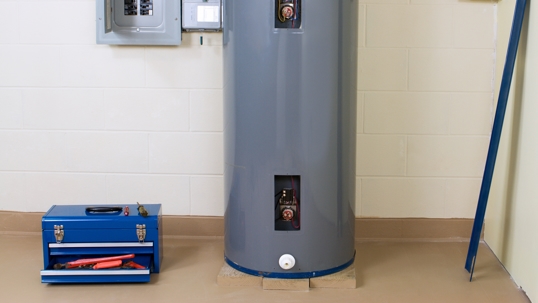
In many homes, the water heater is installed in an unheated basement, utility room, or garage. During winter, these spaces can feel like refrigerators. Cold air constantly pulls heat away from the tank and from nearby hot water piping. Even when no one is using hot water, the heater must cycle on and off to maintain temperature, which wastes energy and accelerates wear on components.
This process is known as standby heat loss. Think about how quickly a hot drink cools off outdoors compared to sitting on a kitchen counter. Your water heater behaves the same way. The larger the temperature difference between the water inside the tank and the air around it, the faster heat escapes. In an unheated space during winter, that difference is substantial.
Even newer tanks with built-in insulation experience some heat loss. Older units or those with compromised insulation lose much more. Exposed copper or steel hot water lines running through cold spaces act like radiators, giving off heat before the water ever reaches a faucet. We frequently see basements where hot water pipes feel cold to the touch because they have been shedding heat for years.
Simple improvements can help. Insulating exposed hot water lines near the heater and along longer runs can significantly reduce heat loss. In some cases, adding an insulating jacket to an older tank can help as well. These steps do not eliminate heat loss entirely, but they reduce how often the heater must reheat water just to stay ready for use.
Why You Run Out Of Hot Water Faster In Winter
Many homeowners notice that they run out of hot water faster in winter even though nothing about the household has changed. On paper, the tank capacity is the same. In reality, colder incoming water, colder surrounding air, and higher usage all change how that capacity feels.
When incoming water is much colder, the heater has to work harder to raise it to the set temperature. This reduces the effective amount of hot water available before the tank cools down. Recovery time also slows because each new gallon of water entering the tank requires more energy to heat. This is why back-to-back showers or running multiple fixtures at once feels more problematic during colder months.
Usage habits also change in winter. People take longer, hotter showers to warm up. Laundry loads increase and often use warmer settings. These demands stack on top of a system that is already working harder due to temperature rise and heat loss. The heater itself has not weakened, but the job has become more demanding.
When homeowners call about running out of hot water, we look beyond the age of the heater. We evaluate usage patterns, plumbing layout, and winter operating conditions. Sometimes small adjustments and insulation improvements are enough. Other times, the system was undersized from the start, and winter simply makes that mismatch obvious.
How Cold Weather Affects Tank And Tankless Water Heaters
Both tank and tankless water heaters are impacted by cold weather, but in different ways. Traditional tank systems cycle more frequently in winter to combat standby heat loss. Components such as heating elements, gas valves, thermostats, and anode rods experience more wear due to increased runtime. In damp, cold spaces, corrosion on fittings and tank shells can also accelerate.
Tankless systems respond differently. These units heat water on demand, and their performance depends on incoming water temperature, desired output temperature, and flow rate. When incoming water is much colder, the unit must use more energy per gallon. To stay within design limits, it may reduce the maximum flow it can support while still delivering hot water.
Homeowners often experience this as lukewarm water when multiple fixtures run at once or brief shutdowns when demand exceeds the unit’s capacity. A tankless system that performs well in summer may struggle under the same usage in winter because the temperature rise requirement has increased.
Installation location matters as well. Units installed in garages or outdoors must be properly protected against freezing. Freeze protection relies on correct installation, insulation, and a reliable power supply. Cold weather tends to expose any weaknesses in those areas.
Uninsulated Pipes And Long Runs Delay Hot Water
Another common winter complaint is how long it takes for hot water to reach faucets. In many homes, the water heater is far from bathrooms or kitchens, requiring long pipe runs. When the system is idle, water sitting in those pipes cools down to the surrounding air temperature.
When a hot tap is turned on, that cooled water must be pushed out before fresh hot water arrives. In winter, colder air causes pipes to lose heat faster and more completely, making the wait feel longer. The initial water at the tap is colder, and it takes more time to reach a comfortable temperature.
Long, uninsulated pipe runs through basements or crawlspaces exaggerate this effect. Each foot of exposed pipe gives up heat to the surrounding air. The longer the run and the colder the space, the more noticeable the delay becomes.
Insulating exposed hot water lines, especially near the heater and along long basement runs, helps keep water warmer between uses. In some cases, reconfiguring pipe routing or adding a recirculation option can further reduce wait times without major remodeling.
Seasonal Maintenance That Helps Your Water Heater Perform Better
Cold weather places extra stress on water heaters, making maintenance especially important. One of the most common issues we see is sediment buildup in tank heaters. Minerals settle at the bottom of the tank and act as a barrier between the heating source and the water. This forces the heater to run longer to achieve the same result.
Flushing the tank removes sediment and restores more efficient heat transfer. For many households, annual flushing is sufficient. In others, more frequent service may be beneficial. Seeing the sediment removed often helps homeowners understand how much extra work their heater has been doing.
Additional checks also matter. Anode rods wear down faster in systems that cycle more frequently. Temperature settings may need adjustment to balance efficiency and comfort. Expansion tanks, relief valves, and venting components should also be inspected, as temperature swings can stress these parts over time.
Our maintenance approach focuses on transparency and education. We explain what we find, why it matters, and how it affects winter performance so homeowners can make informed decisions.
When A Tune Up Is Enough And When It Is Time To Upgrade
Not every winter performance issue means replacement is necessary. Many problems can be improved with maintenance, insulation, and small system adjustments. If a heater is within its expected lifespan and shows no signs of leakage or severe corrosion, a tune up can often restore reliable operation.
However, there are clear indicators that replacement may be the smarter option. Advanced age, frequent repairs, visible rust, discolored water, or leaks from the tank body suggest the unit may not withstand continued winter stress. Cold seasons tend to reveal these weaknesses because the heater is working at its hardest.
We take an options-based approach. That may include maintenance with a long-term replacement plan, targeted upgrades to improve winter performance, or installing a properly sized, more efficient system. With transparent flat-rate pricing, homeowners can weigh each option without pressure.
How Mom & Pop Plumbing Adapts Water Heaters For Seasonal Conditions
When we evaluate a water heater, we look beyond the label. We consider where the unit is installed, how cold that space gets, how the piping is routed, and how far fixtures are from the heater. We assess signs of seasonal stress such as excessive cycling, corrosion, long uninsulated pipe runs, and performance limits during high demand.
Throughout the process, we explain what we see and why it matters. We show sediment buildup, worn components, and heat loss points, then outline practical solutions. Those solutions range from simple insulation and maintenance to more involved system upgrades, always aligned with the homeowner’s priorities and budget.
Adapting a water heater to seasonal temperature changes is not about a single fix. It is about understanding how climate, installation, and usage interact over time. With the right adjustments and care, your water heater can deliver more consistent comfort, even during the coldest months.
Get Your Water Heater Ready For The Next Manchester Cold Snap
We cannot change how cold it gets in Manchester in January, but we can change how well your water heater and piping are set up to handle it. Once you understand how our climate affects incoming water temperature, heat loss in basements and garages, and the workload on your heater, you can see that winter problems are not random bad luck. They are signs that your system needs maintenance, insulation, or sometimes a better match between equipment, home, and weather.
If you are noticing slower hot water, higher winter bills, or a heater that always seems to struggle when the temperature drops, this is a good time to have a local team take a closer look. We can inspect your setup with Manchester’s climate in mind, show you exactly what is going on, and lay out clear options, from simple tune ups to more permanent upgrades, with straightforward flat rate pricing. That way, you head into the next cold snap with a water heater that is ready for the job.
Call (860) 772-0622 today to schedule a visit with Mom & Pop Plumbing and see how your water heater can work better in our Manchester climate.